Why Startups Should Use AI Coding Assistants

Startups live in a world of constraints. One of the strongest leverage tools available to startups is AI coding assistants. Tools like GitHub Copilot, Claude, GPT-4, and Cursor are no longer experimental. They are becoming core components of modern engineering workflows. 1. Speed Is a Competitive Advantage Startups compete against time. AI coding assistants dramatically […]
Claude and Its Code Skill Set

AI coding assistants have evolved rapidly – from autocomplete tools to structured reasoning systems capable of understanding large codebases, generating architecture patterns, and debugging complex logic. Among the leading models, Claude (by Anthropic) has emerged as a strong contender for engineering-focused use cases. Claude’s Core Coding Strengths Claude is not just a code generator – […]
Multi-Agent Architectures
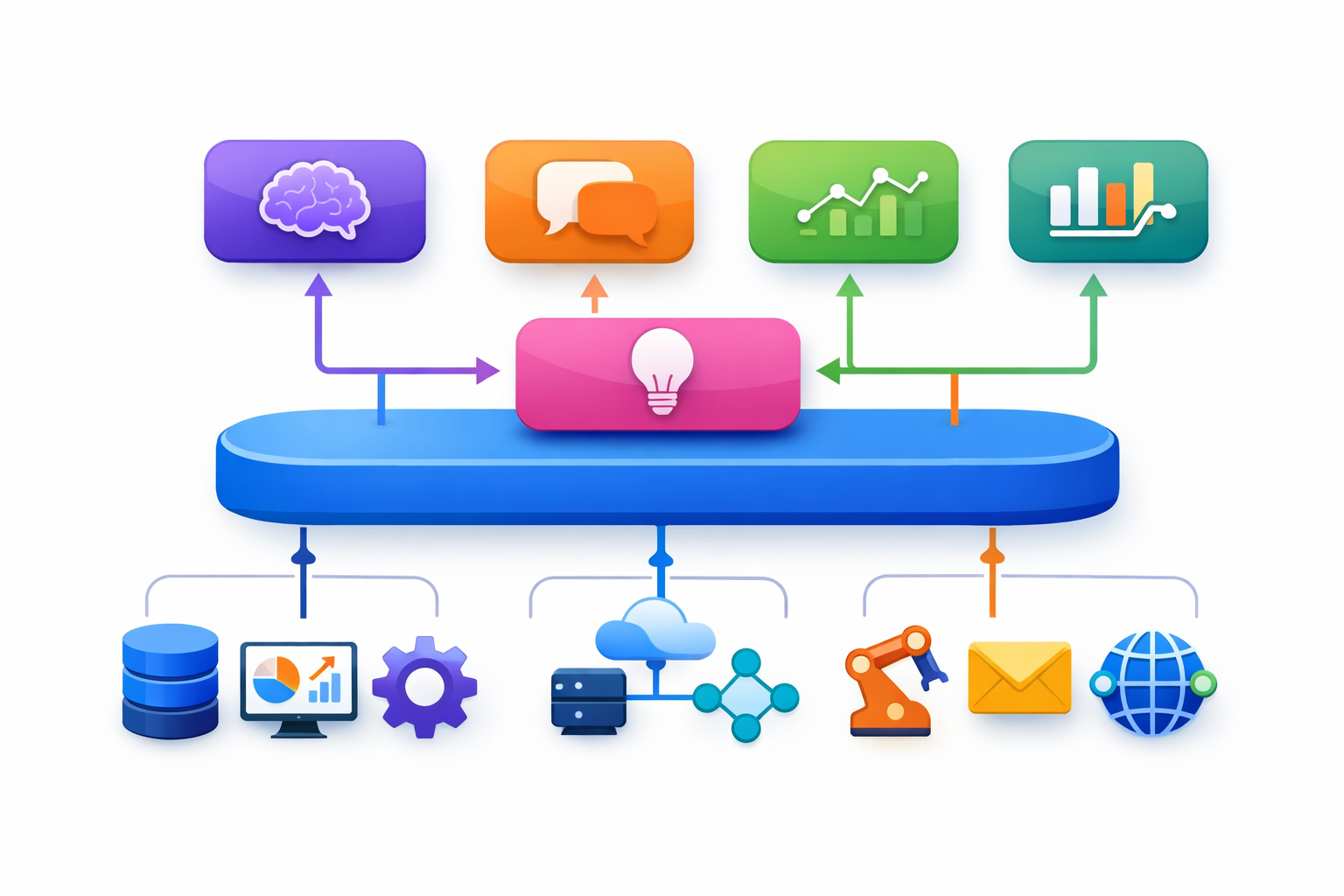
As AI systems mature, a clear shift is happening: From single-model prompts to structured, collaborative AI systems This shift is powered by multi-agent architectures – systems where multiple AI agents work together, each with defined roles, responsibilities, and tool access. What Is a Multi-Agent Architecture? A multi-agent architecture is a system design pattern where: Instead […]
CrewAI Building Structured Multi-Agent AI Systems
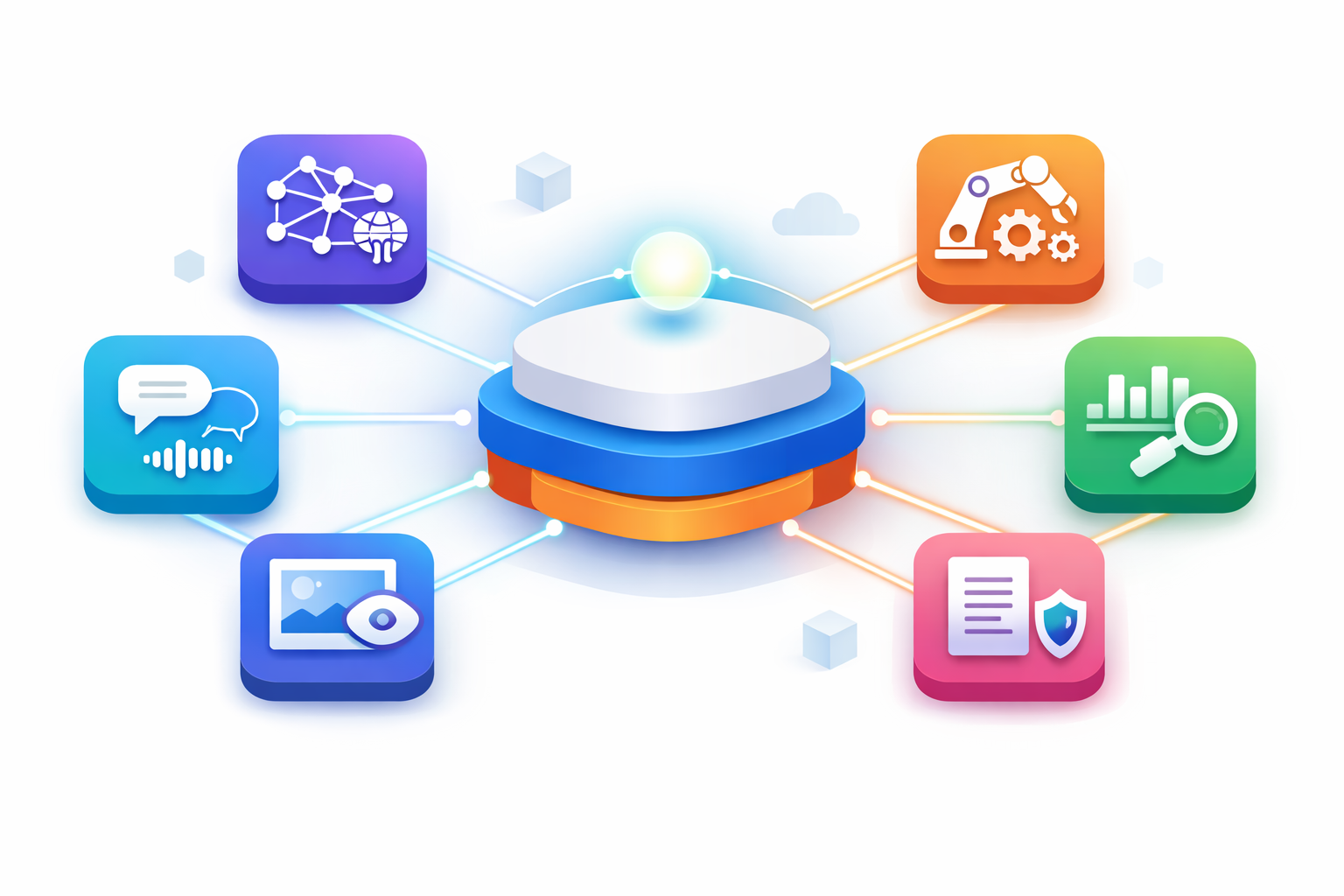
As AI systems evolve from simple chat interfaces to goal-driven automation, a new architectural pattern is emerging: multi-agent AI systems. Instead of relying on a single large language model to do everything, organizations are designing structured AI teams – where specialized agents collaborate to solve complex problems. One of the frameworks gaining traction in this […]
The Best Large Language Models in 2026

Large Language Models (LLMs) are no longer experimental tools. In 2026, they are foundational infrastructure for SaaS products, enterprise automation, AI copilots, analytics systems, and customer-facing applications. But with dozens of capable models available, the real challenge is no longer “What is an LLM?” – it is: Which model should we use – and why? […]
n8n vs OpenClaw Choosing the Right Automation for SaaS Teams
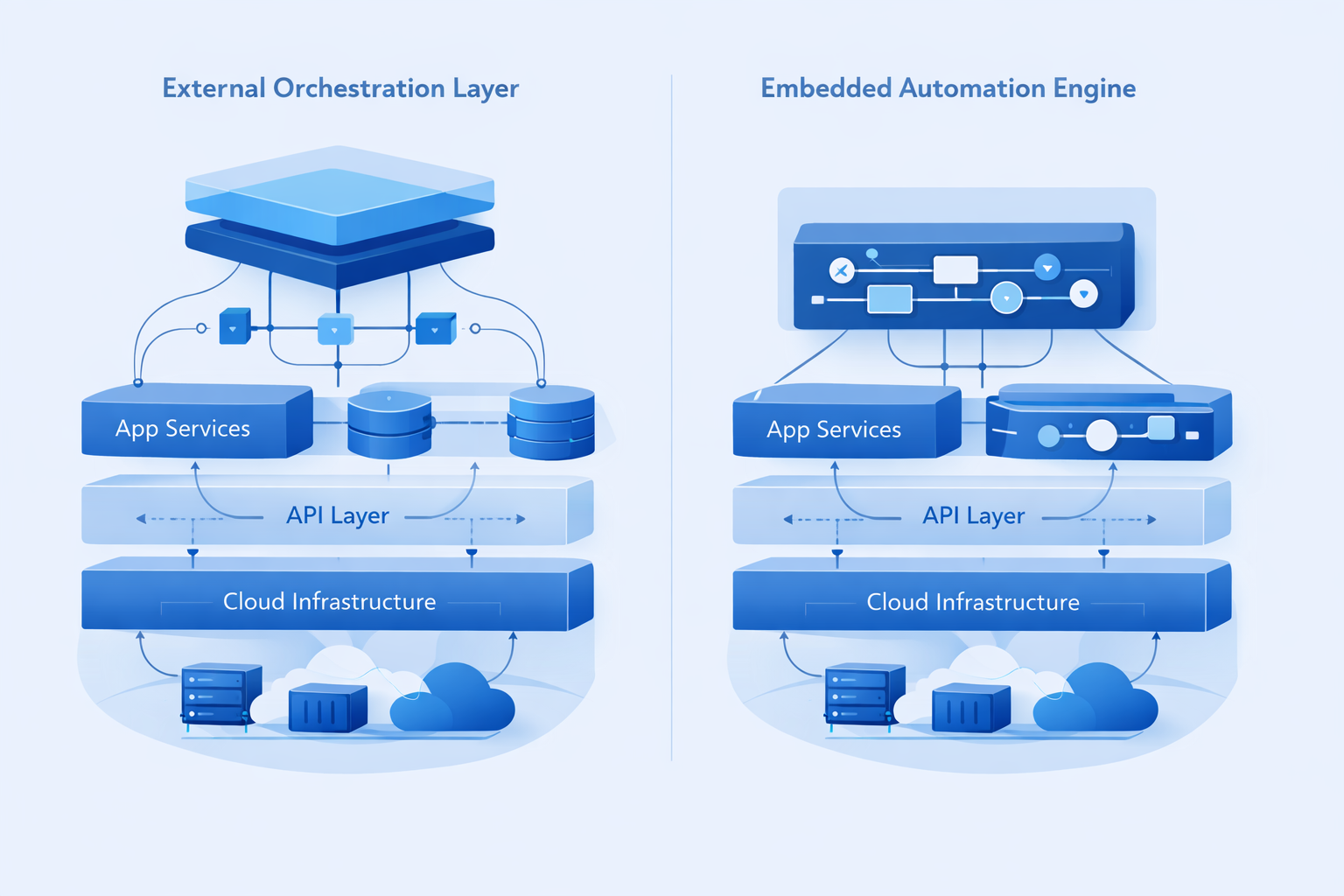
Automation is no longer a supporting function in SaaS products – it is becoming part of the product itself. Whether you are orchestrating internal workflows, integrating APIs, or building AI-driven systems, choosing the right automation layer matters. Two tools often compared in this space are: While both address workflow automation, they operate at different abstraction […]
OpenClaw A Developer-First Approach to Workflow Automation
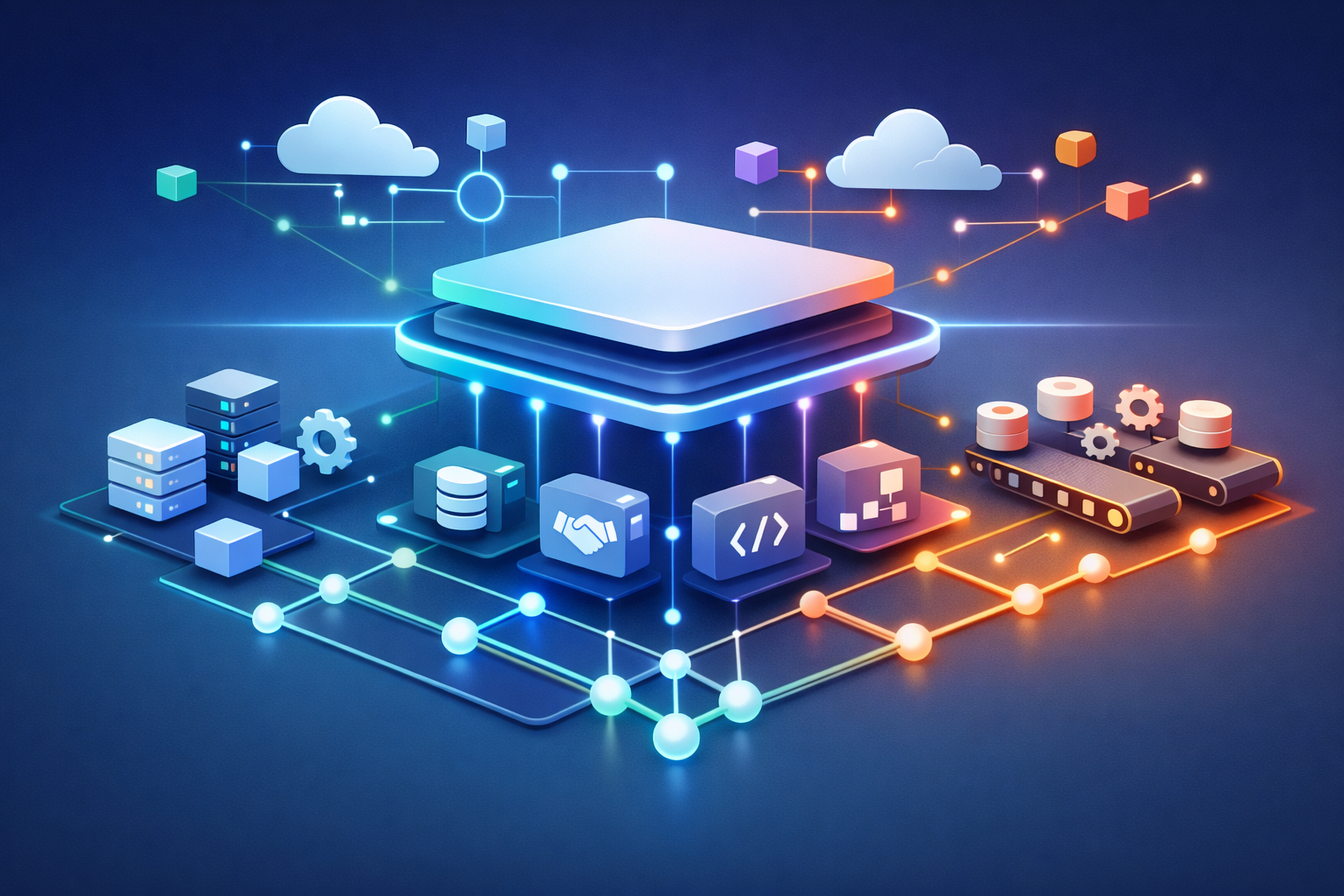
Automation is evolving beyond simple trigger-and-action workflows. As SaaS platforms grow and internal systems become more interconnected, many teams outgrow visual automation tools and look for deeper control. This is where OpenClaw enters the discussion. Unlike low-code automation platforms, OpenClaw is positioned more as a developer-centric orchestration framework, designed for teams that want structured, programmable […]
N8N a Practical Guide for Modern Automation Teams

Automation is no longer optional for SaaS products and digital businesses. As teams scale, manual processes become bottlenecks, slowing operations, increasing errors, and consuming engineering bandwidth. This is where n8n has gained strong adoption among startups, SaaS companies, and engineering teams looking for flexible workflow automation without heavy vendor lock-in. This blog explains: What is […]
Choosing the Right Tech Partner for Building a SaaS Product

Building a SaaS product is not just a development exercise – it is a long-term business decision. The technology partner you choose will influence your product velocity, architecture quality, scalability, and even how fast you can respond to market changes. Many SaaS products fail not because the idea was weak, but because the execution partner […]
How Product Strategy Prevents Overengineering
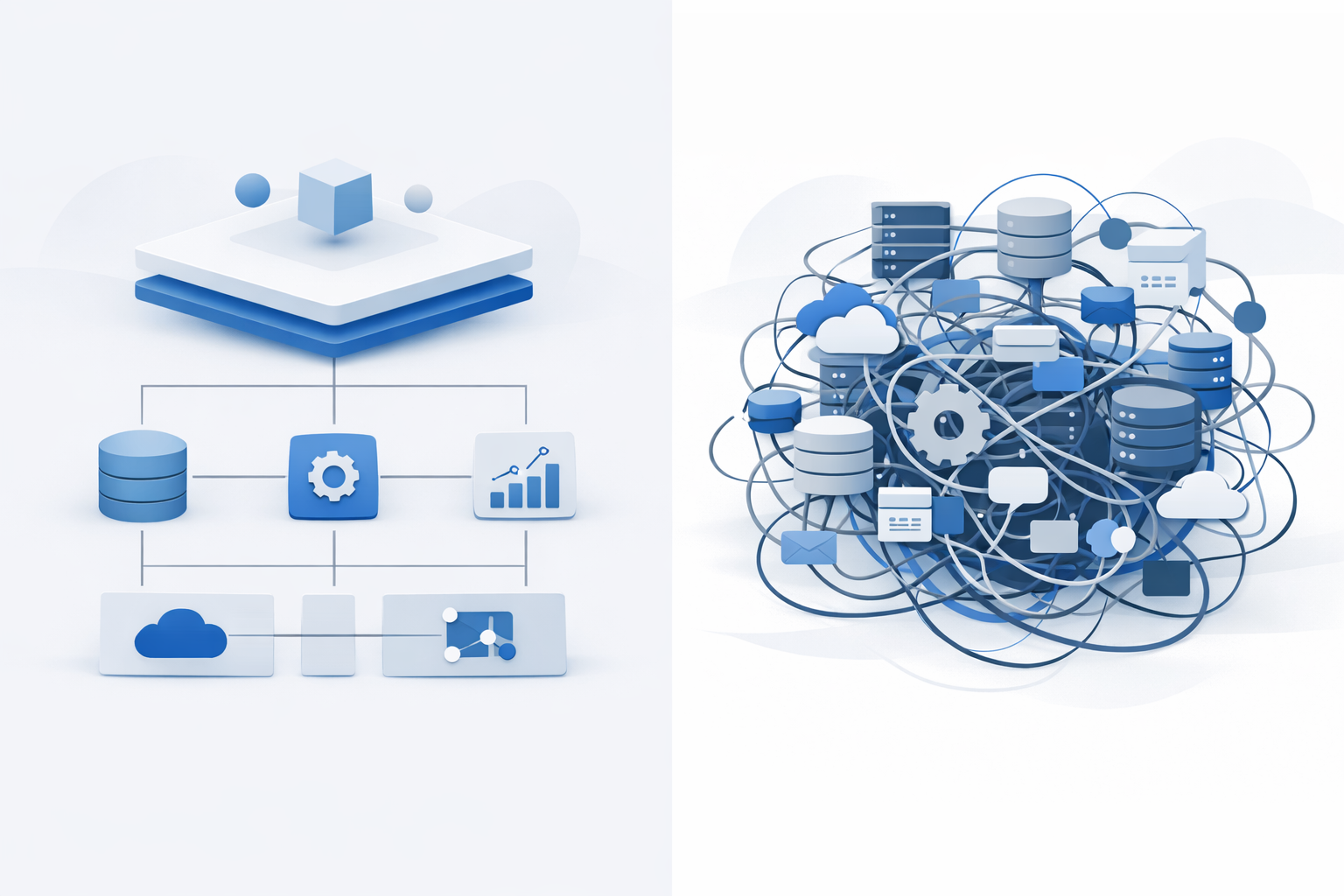
Overengineering is one of the most common – and expensive – mistakes in modern product development. Teams build systems that are: Ironically, most overengineering does not come from poor technical skill. It comes from the absence of a clear product strategy. When product strategy is weak or undefined, engineering fills the gap with assumptions, abstractions, […]