
Why Startups Should Use AI Coding Assistants

Startups live in a world of constraints. One of the strongest leverage tools available to startups is AI coding assistants. Tools like GitHub Copilot, Claude, GPT-4, and Cursor are no longer experimental. They are becoming core components of modern engineering workflows. 1. Speed Is a Competitive Advantage Startups compete against time. AI coding assistants dramatically […]
Choosing the Right Tech Partner for Building a SaaS Product

Building a SaaS product is not just a development exercise – it is a long-term business decision. The technology partner you choose will influence your product velocity, architecture quality, scalability, and even how fast you can respond to market changes. Many SaaS products fail not because the idea was weak, but because the execution partner […]
How Product Strategy Prevents Overengineering
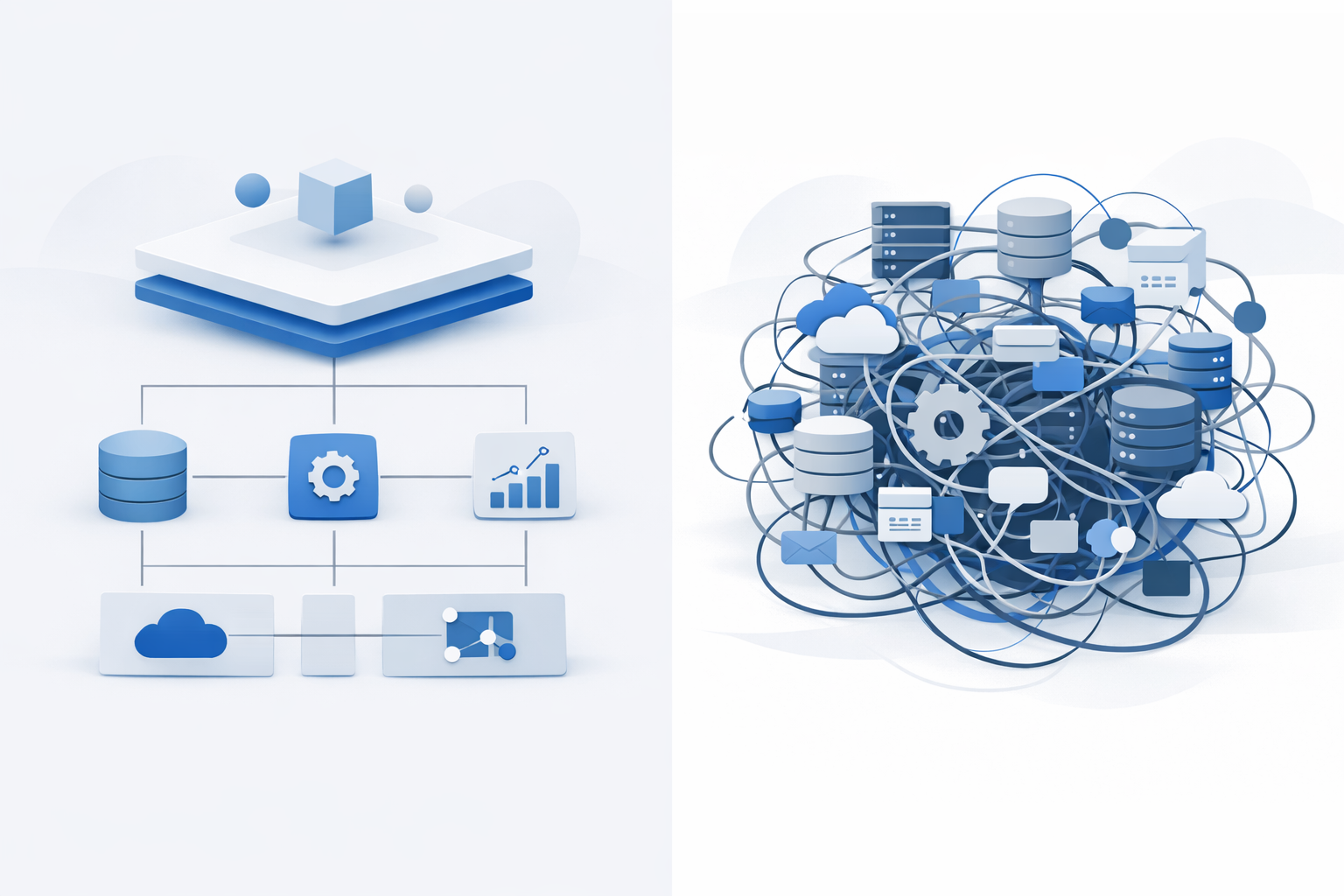
Overengineering is one of the most common – and expensive – mistakes in modern product development. Teams build systems that are: Ironically, most overengineering does not come from poor technical skill. It comes from the absence of a clear product strategy. When product strategy is weak or undefined, engineering fills the gap with assumptions, abstractions, […]
Why Tech-Driven Companies Scale Faster Than Traditional Companies

Across industries, one pattern is becoming increasingly clear: tech-driven companies consistently outpace traditional companies in growth, adaptability, and resilience. This advantage is not limited to Silicon Valley startups or software businesses. Manufacturing firms, financial services companies, logistics providers, healthcare organizations, and retailers are all experiencing the same outcome: those that embed technology into their operations […]
What Prototyping Really Means in Product Development

In product development, prototyping is often misunderstood. Some teams treat it as a quick design exercise. Others skip it entirely to “save time.” And many confuse prototypes with MVPs, assuming they serve the same purpose. In reality, prototyping plays a very specific and critical role in building successful products. When used correctly, it reduces risk, […]
Why Choosing a Tech Partner Matters More Than Choosing a Development Team

For startups and growing businesses, technology decisions are rarely just technical. They shape how fast you move, how well you scale, and how much risk you carry as the product evolves. Yet many founders approach technology execution the same way they approach outsourcing: hire a team, ship features, move on. That mindset is one of […]
When Monolithic Architecture Works and When It Breaks
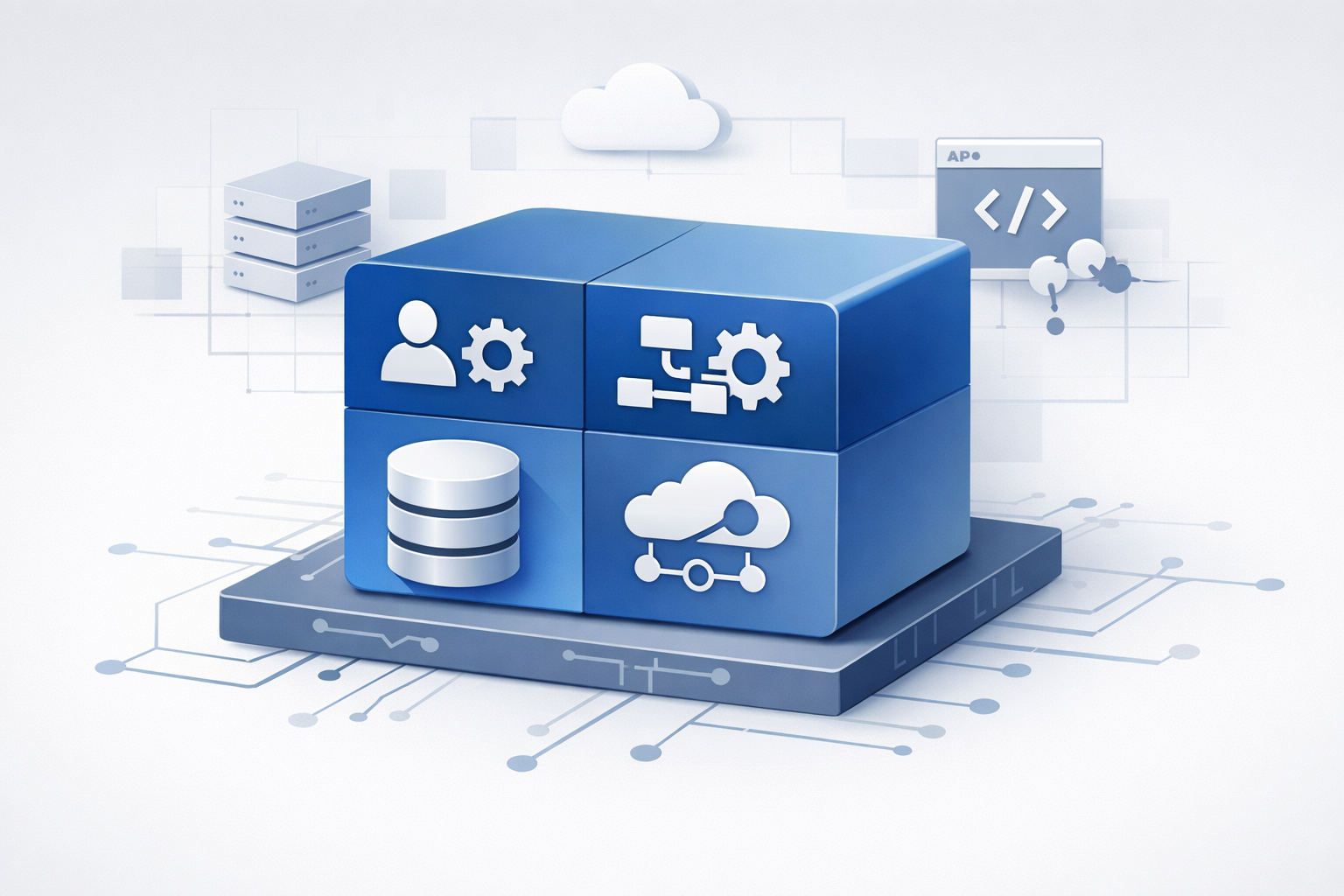
Monolithic architecture is often misunderstood. In today’s engineering conversations, it is frequently portrayed as outdated or inferior to microservices. In reality, monolithic architecture is still the right choice for many products – especially in their early and growth stages. The problem is not the monolith itself.The problem is how it is designed, maintained, and evolved. […]
Webflow vs WordPress vs Headless CMS
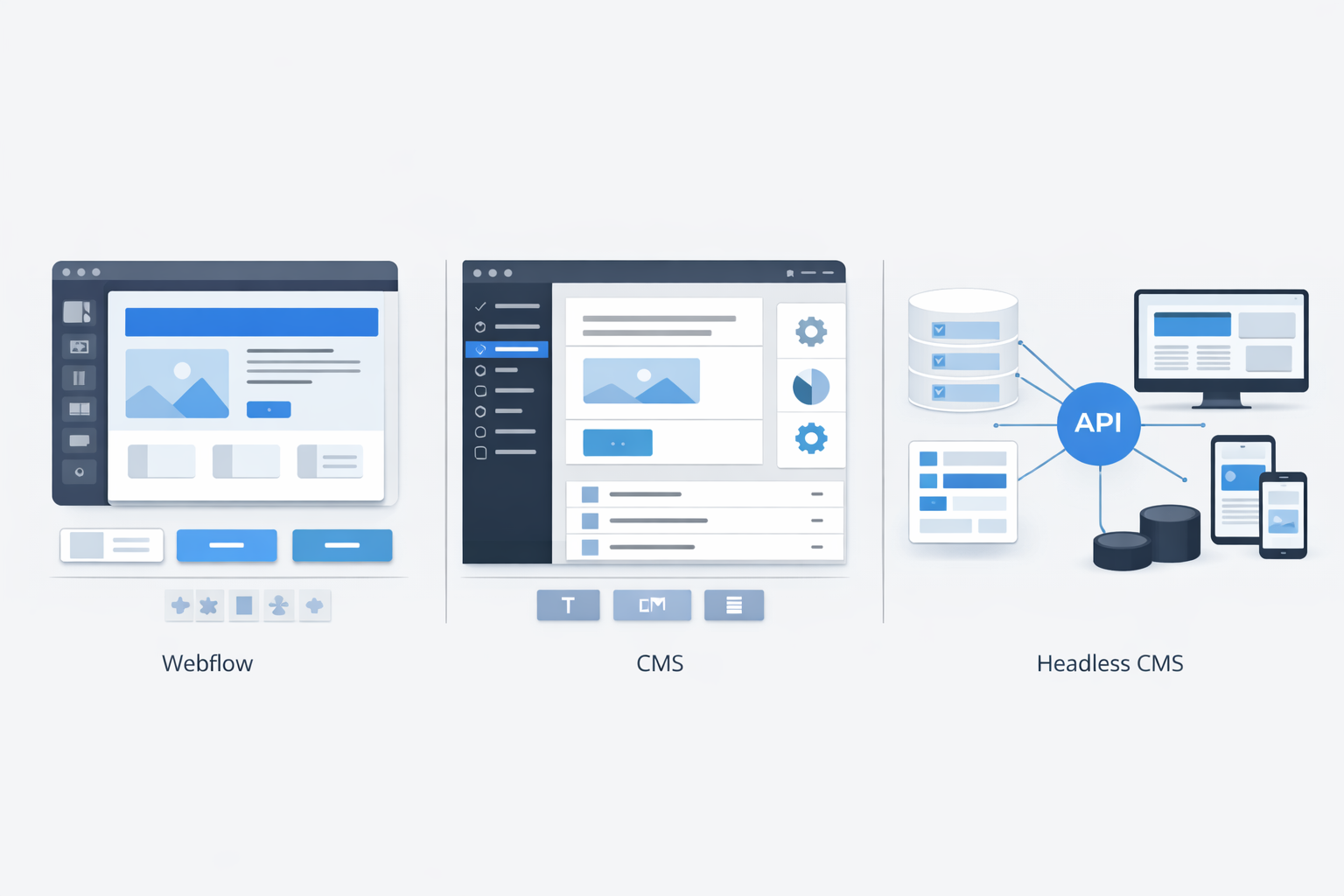
Choosing the right website platform is no longer a simple design decision. Today, your website is often: This chooses between Webflow, WordPress, and Headless CMS, strategic – not cosmetic. Each approach solves a different problem. Selecting the wrong one can lead to unnecessary complexity, security risks, or costly rebuilds later. Understanding the Three Approaches Before […]
How Rezolut Helps Startups and Businesses with Technology

Building digital products today is not just about writing code. Startups and growing businesses face a far more complex challenge: validating ideas quickly, scaling systems without breaking them, and adopting AI in ways that actually deliver business value. This is where Rezolut Infotech positions itself differently. Rezolut works as a technology partner for startups and […]
How Roadmaps Should Evolve from MVP to Scale
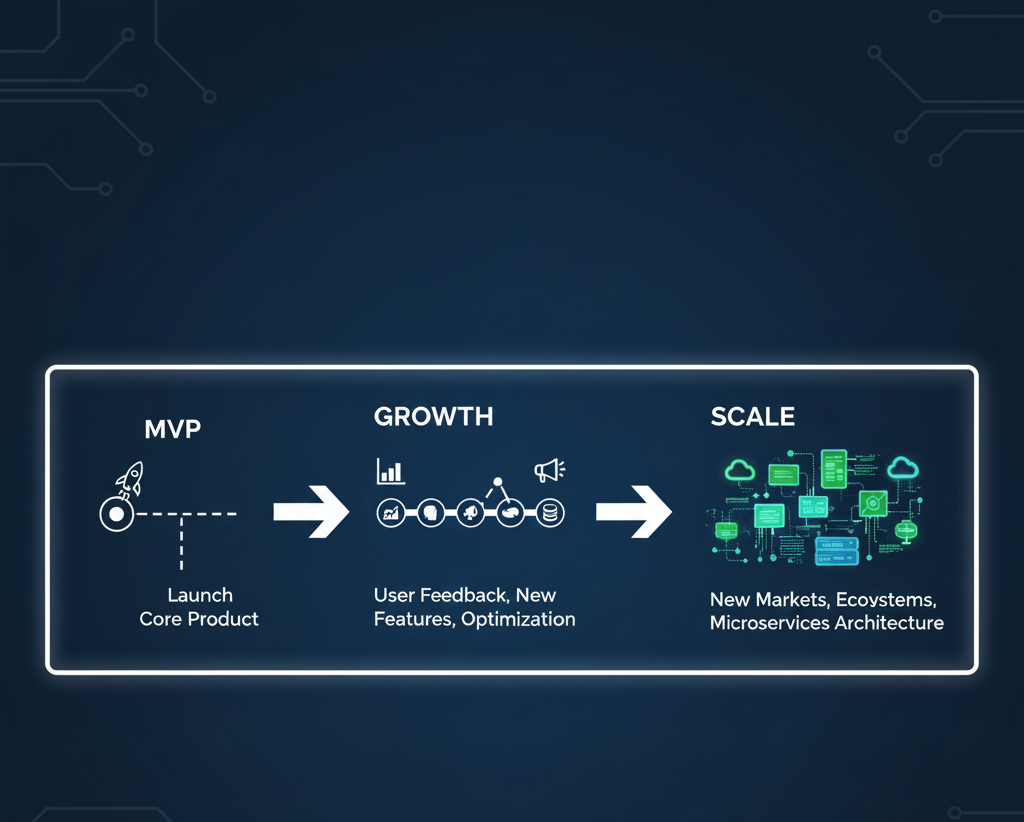
A product roadmap that works during the MVP stage often breaks down once a startup begins to scale. This is not because the roadmap was wrong – but because roadmaps must evolve as the product, users, and organization evolve. Many startups struggle during this transition. They either: Both approaches create friction, misalignment, and wasted effort. […]