
Why Startups Should Use AI Coding Assistants

Startups live in a world of constraints. One of the strongest leverage tools available to startups is AI coding assistants. Tools like GitHub Copilot, Claude, GPT-4, and Cursor are no longer experimental. They are becoming core components of modern engineering workflows. 1. Speed Is a Competitive Advantage Startups compete against time. AI coding assistants dramatically […]
Claude and Its Code Skill Set

AI coding assistants have evolved rapidly – from autocomplete tools to structured reasoning systems capable of understanding large codebases, generating architecture patterns, and debugging complex logic. Among the leading models, Claude (by Anthropic) has emerged as a strong contender for engineering-focused use cases. Claude’s Core Coding Strengths Claude is not just a code generator – […]
Architecting Production Ready LLM Systems
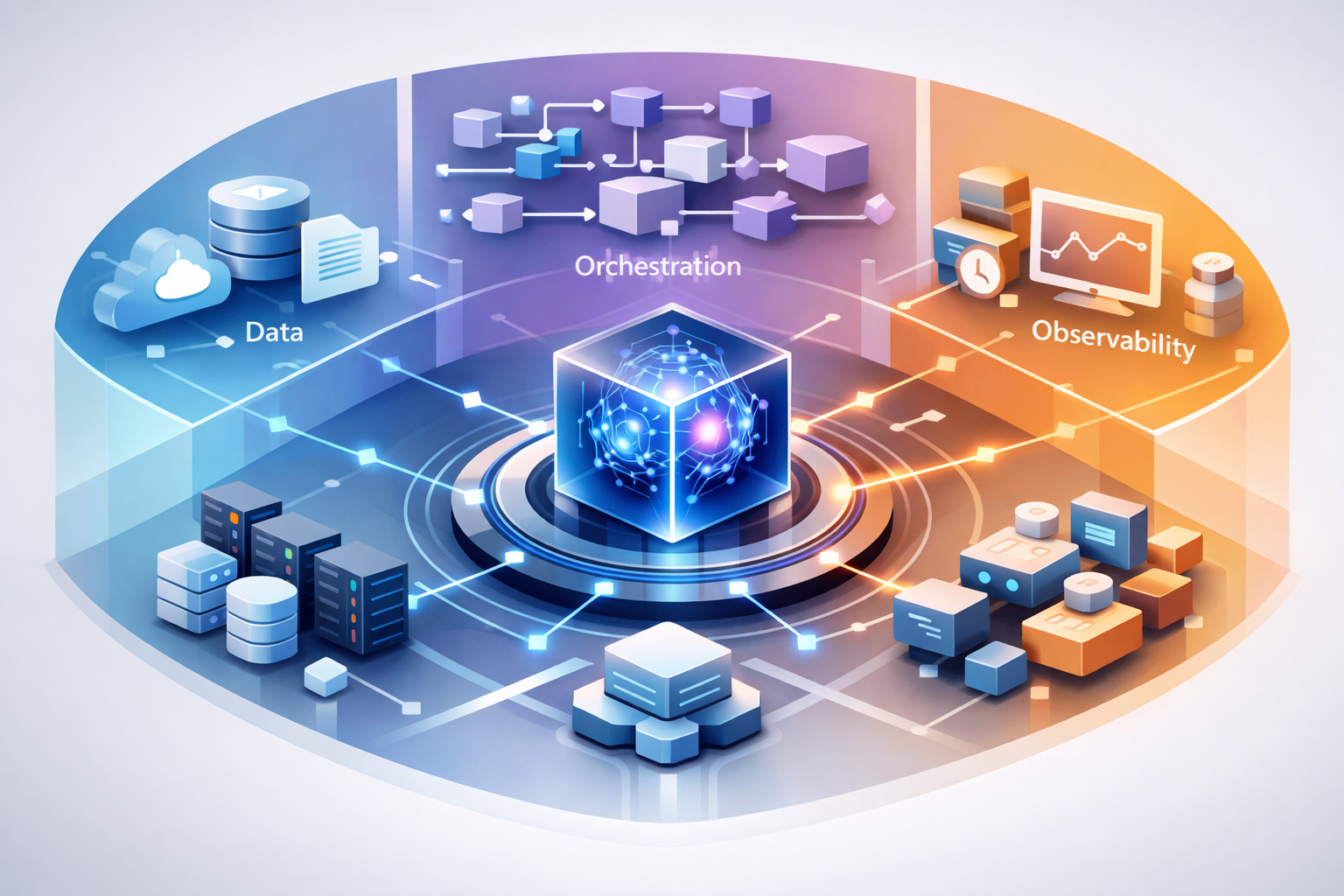
Large Language Models (LLMs) have moved rapidly from experimentation to real business use. Many organizations now have working demos, internal tools, or early customer-facing features powered by LLMs. Yet very few of these systems are truly production-ready. The reason is rarely the model itself. The real challenge is architecture. LLMs place fundamentally different demands on […]
RAG vs Agentic AI

As organizations move beyond AI demos and pilots, a new question is emerging: Should we use Retrieval-Augmented Generation (RAG) or build Agentic AI systems? Both approaches are powerful. Both solve real problems. And both are often misunderstood or misapplied. Choosing the wrong one leads to: What Is Retrieval-Augmented Generation (RAG)? RAG is an AI architecture […]
Agentic AI vs Generative AI

Artificial intelligence discussions today are dominated by generative models – chatbots, content generators, copilots, and assistants. While these tools have transformed how teams work, they represent only one stage of AI evolution. The next major shift is Agentic AI. Many organizations use the terms “Generative AI” and “Agentic AI” interchangeably. This is a mistake. They […]
Why Every Startup Should Adopt Infrastructure as Code (IaC)
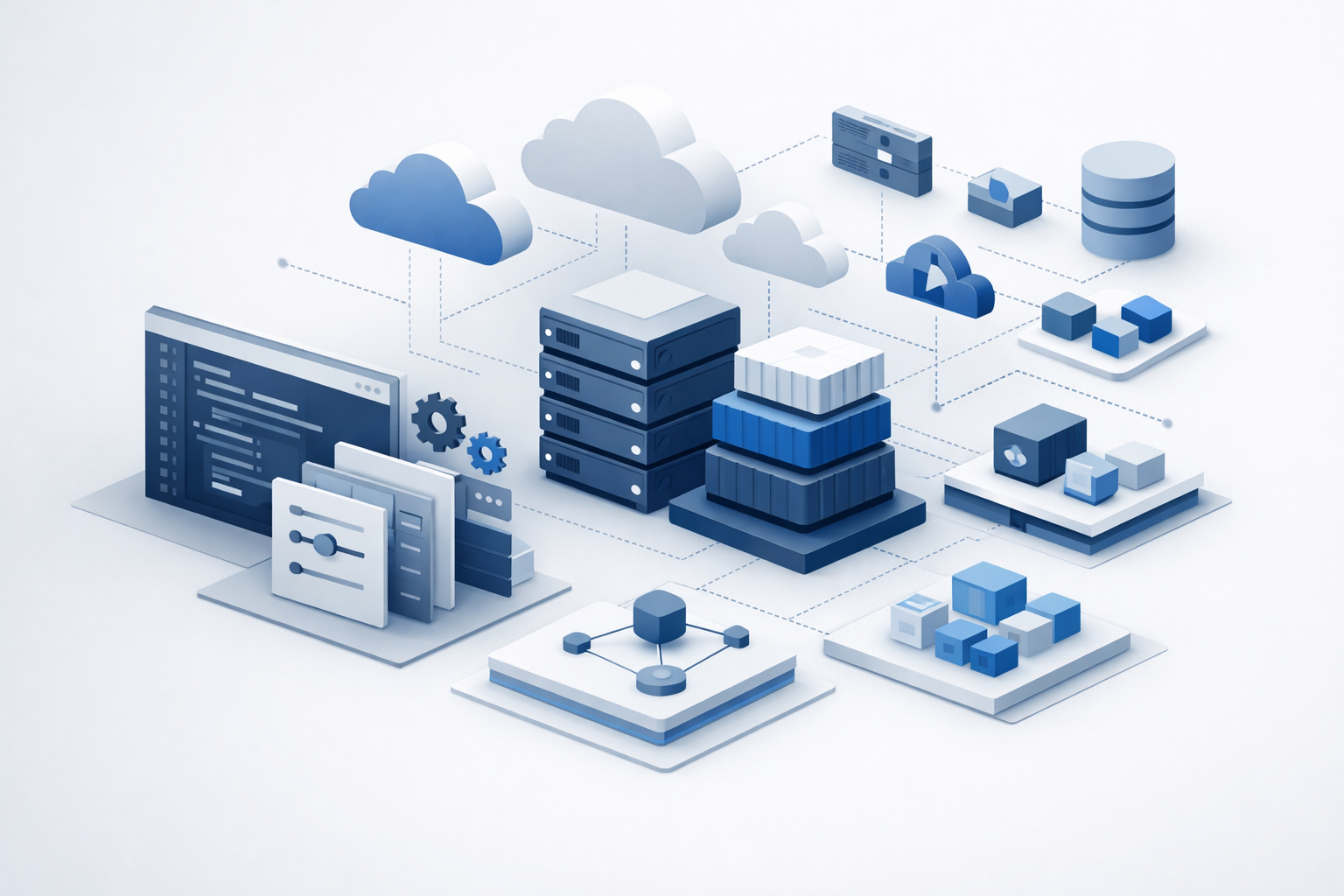
For many startups, infrastructure decisions begin as quick fixes. A server is provisioned manually, a database is configured once, and changes are made as needed to “keep things running.” This approach often works – until it doesn’t. As products gain users and teams grow, manual infrastructure becomes a hidden bottleneck. Environments drift, deployments become risky, […]
AI Tools That Improve Developer Productivity
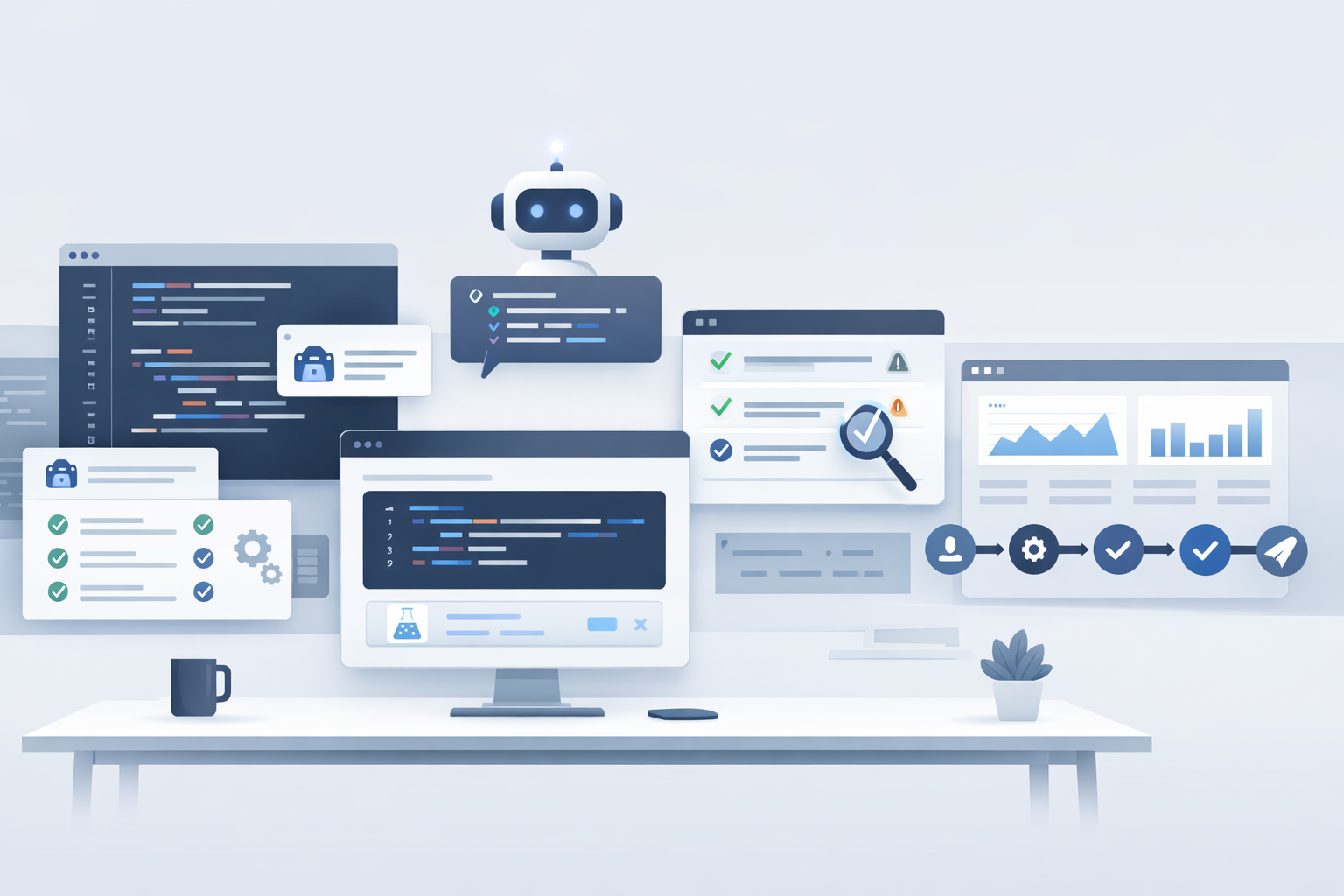
Developer productivity has always been a competitive advantage. Teams that ship faster, fix issues earlier, and maintain cleaner systems consistently outperform those that don’t. Today, AI is reshaping how developers work – but not all AI tools actually improve productivity. Some tools genuinely reduce cognitive load and repetitive work. Others add noise, false confidence, or […]
Kubernetes vs Serverless: Which Cloud Approach Is Right for Your Product?

As startups and modern businesses move to the cloud, one architectural decision repeatedly creates confusion: Should we use Kubernetes or Serverless? Both are powerful. Both enable scale. And both can become costly mistakes if chosen at the wrong stage. The truth is simple: Kubernetes and Serverless solve different problems. Choosing between them is not about […]
The Future of SaaS Platforms: Predictive, Automated, AI-Native
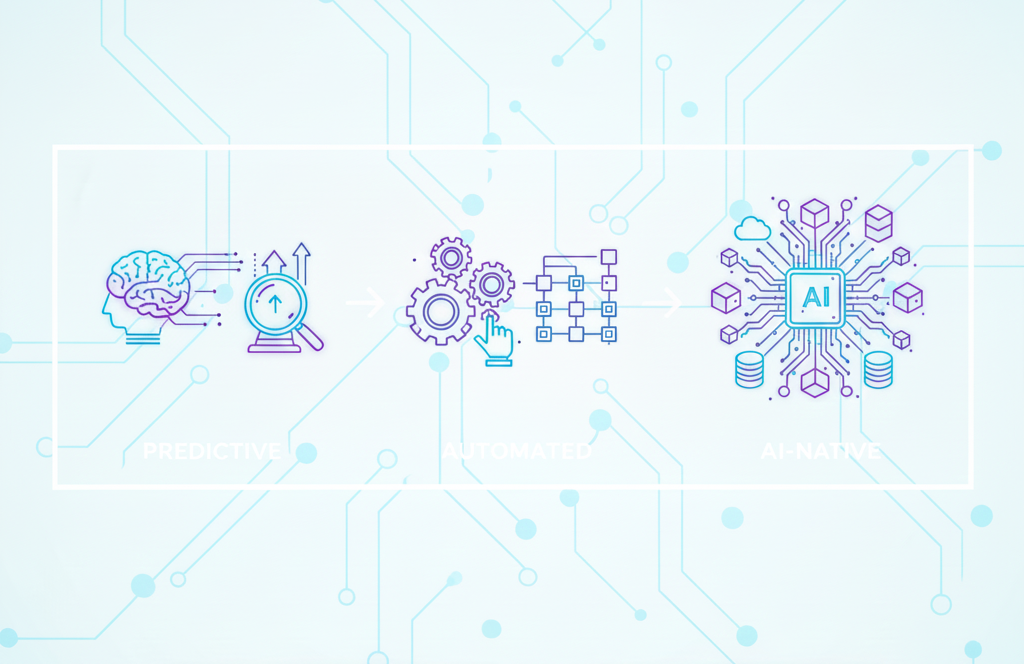
Software-as-a-Service (SaaS) has gone through multiple waves of evolution. What started as simple cloud-hosted alternatives to on-premise software has matured into sophisticated platforms that power critical business operations across industries. Today, SaaS is entering its next major phase. The future of SaaS platforms is not just cloud-based or subscription-driven. It is predictive, automated, and AI-native […]
Retrieval-Augmented Generation (RAG)
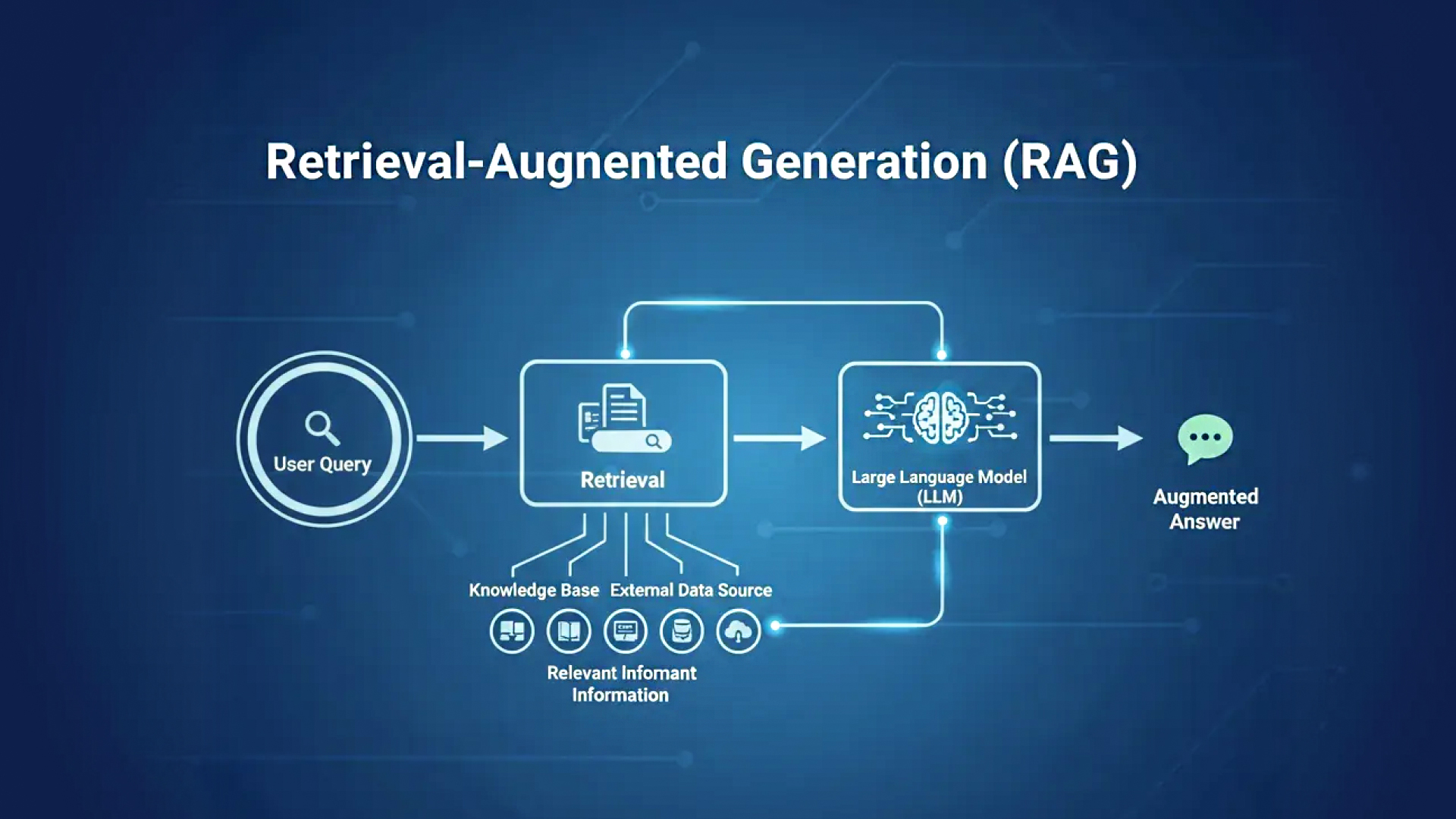
As Large Language Models (LLMs) become more common in SaaS products and enterprise systems, one challenge keeps surfacing: accuracy.LLMs are powerful, but they do not inherently “know” your business data. Left on their own, they generate responses based on training data and probability – not on your internal knowledge, documents, or real-time information. This is […]