
Retrieval-Augmented Generation (RAG)
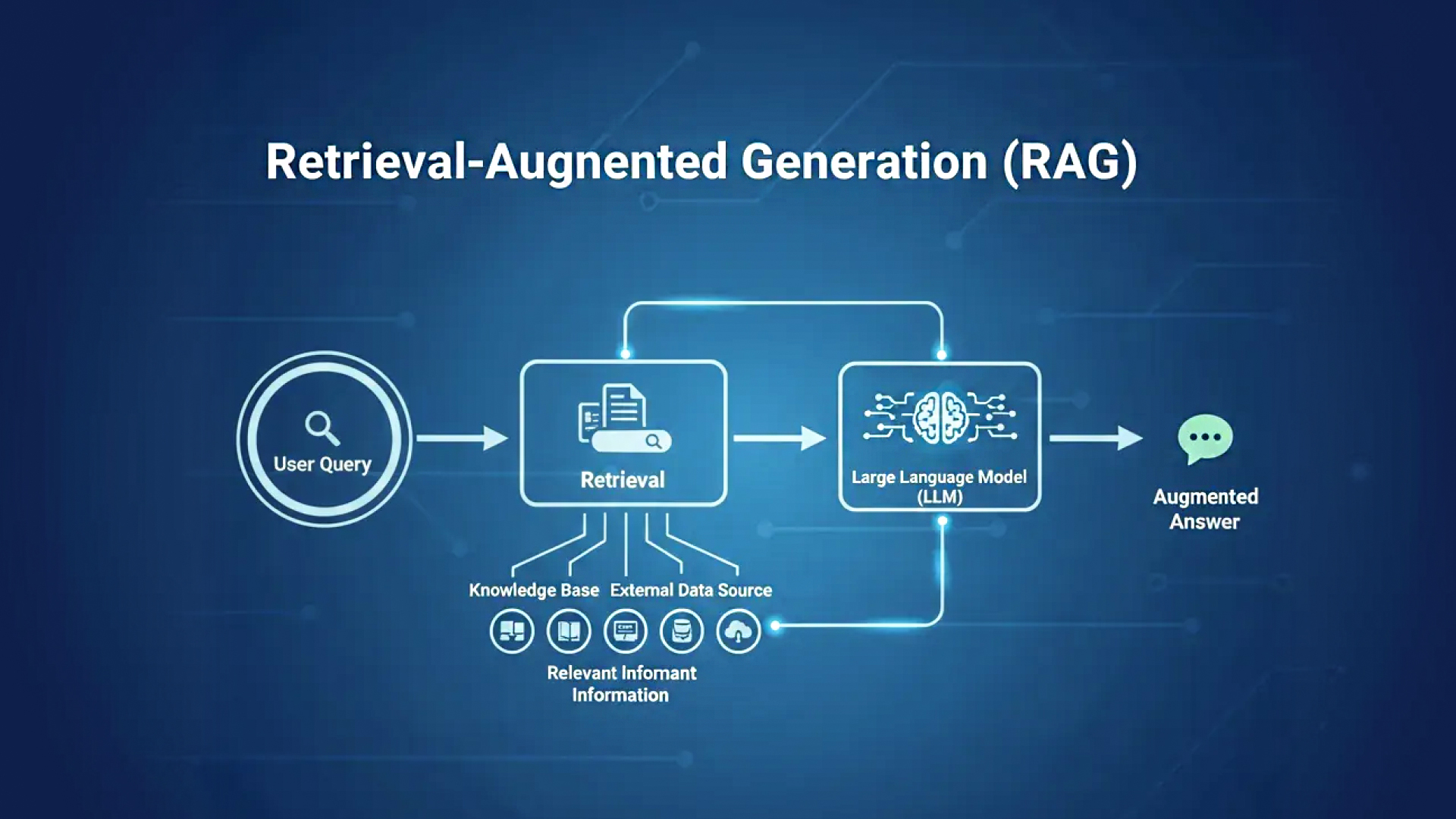
As Large Language Models (LLMs) become more common in SaaS products and enterprise systems, one challenge keeps surfacing: accuracy.LLMs are powerful, but they do not inherently “know” your business data. Left on their own, they generate responses based on training data and probability – not on your internal knowledge, documents, or real-time information. This is […]
AI Features That Add Real Value (Not Just Hype)

Artificial Intelligence has become one of the most overused terms in modern product development. Almost every SaaS product, startup pitch, or enterprise roadmap claims to be “AI-powered.” Yet, when users interact with many of these products, the AI adds little measurable value – or worse, creates confusion and mistrust. The truth is simple: AI is […]
LLMs for SaaS Products: Use Cases That Actually Deliver Value

Large Language Models (LLMs) have rapidly moved from experimentation to production. What began as chat interfaces and demos has evolved into a powerful capability embedded directly inside modern SaaS products. Today, LLMs are not just “AI features” – they are becoming core product capabilities that improve efficiency, personalization, and user outcomes at scale. However, many […]
The Importance of System Design for Early-Stage Startups

When startups fail due to technical reasons, it’s rarely because the code was bad. More often, it’s because the system design was weak or ignored altogether. Early-stage founders tend to focus on features, speed, and shipping quickly – often treating system design as something to worry about “later.” Unfortunately, poor system design decisions made early […]
How Founders Can Prioritize Features for an MVP

One of the most common reasons startups fail is not a lack of ideas or effort, but rather building the wrong features at the wrong time. Founders often feel pressure to include everything users might want, investors might ask for, or competitors already have. The result is an overbuilt product that takes too long to […]
Top Observability Tools for Engineering Teams

As software systems grow more complex, traditional monitoring is no longer enough. Modern applications are distributed, cloud-native, API-driven, and often built using microservices, serverless functions, and third-party integrations. In this environment, engineering teams need more than uptime checks – they need observability. Observability enables teams to understand what is happening inside their systems in real […]
How to Build a Product Roadmap That Actually Works

A product roadmap is more than a timeline of features. When done right, it becomes a strategic tool that aligns business goals, engineering efforts, and customer needs. When done poorly, it becomes a rigid wish list that frustrates teams, delays releases, and results in wasted effort. Many startups struggle not because they lack ideas, but […]
The Power of Open Source and Why It Matters for Startups

Open-source software has become one of the biggest drivers of innovation in the modern technology ecosystem. What started as a collaborative way for developers to build software together has now evolved into a global movement powering some of the world’s most influential companies – from Google and Meta to Amazon, Netflix, Tesla, and thousands of […]
How to Choose the Right Tech Partner for Your Startup

Choosing a technology partner is one of the most important decisions a startup will make. The right partner accelerates development, strengthens product quality, and helps you scale confidently. The wrong one leads to delays, technical debt, and financial loss. With the startup ecosystem becoming increasingly competitive, founders must take a strategic approach in selecting a […]
Monolithic vs Microservices: Which One Is Right for Your Startup?
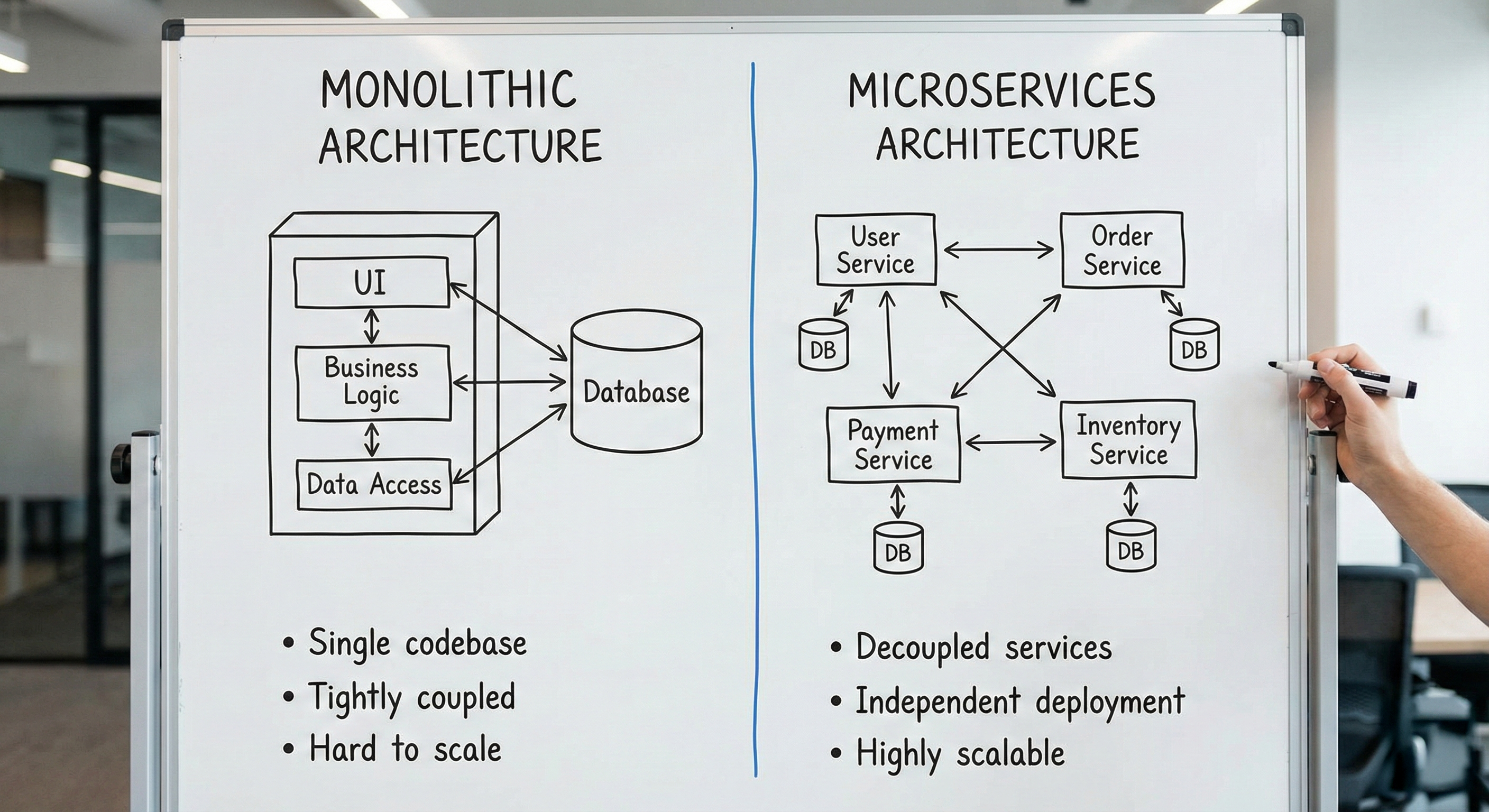
Choosing the right architecture for your product is one of the most important decisions your startup will make. Whether you adopt a monolithic structure or move towards microservices, the choice directly impacts development speed, scalability, long-term maintenance, and overall engineering efficiency. Both architectures are proven and widely used across the world. However, each serves a […]